

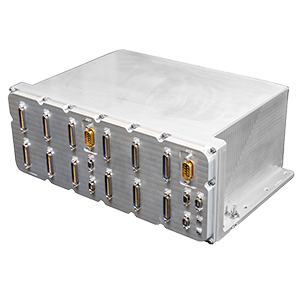
TTEAvionics Core Unit:
| 
|
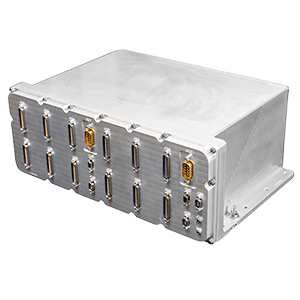
Avionics Unit (AU):
| 
|
TTESwitching Unit:
|
|
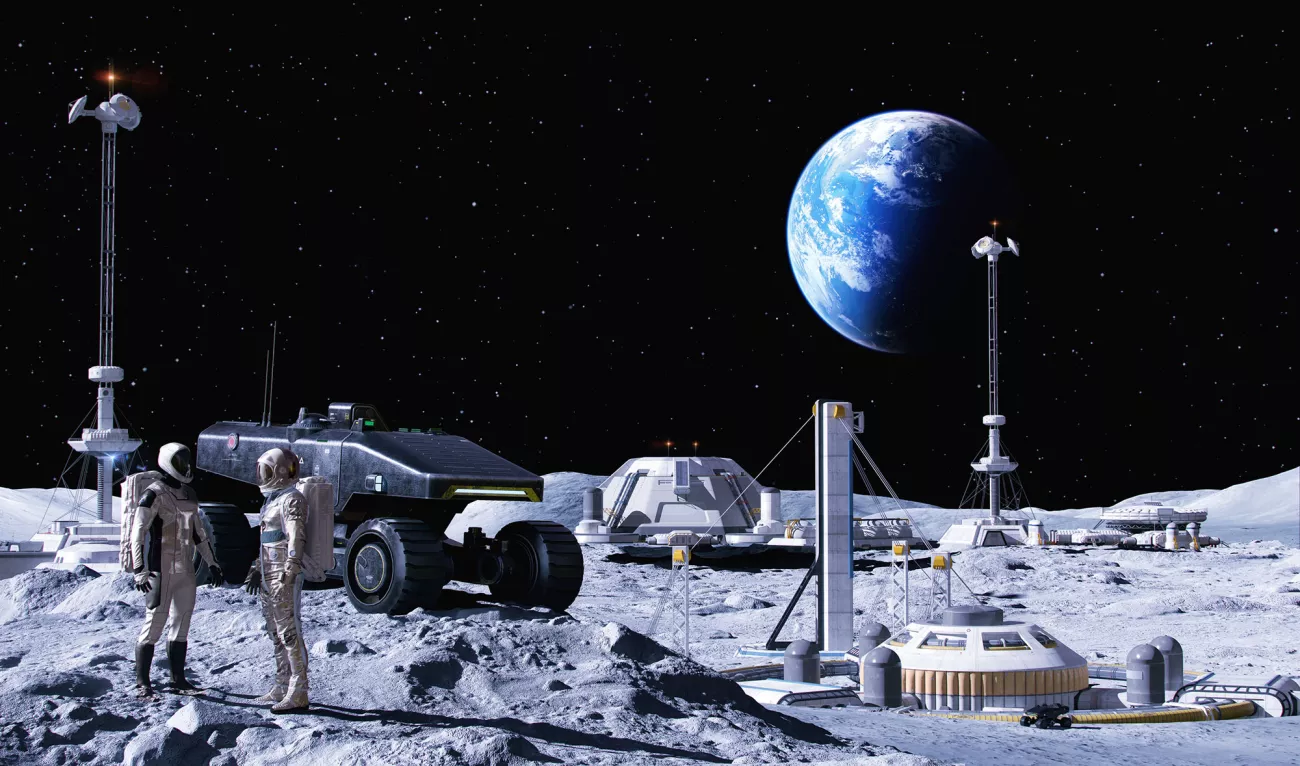
Click on the elements in the graphic above to find out more.
Introduction
Space exploration helps humankind to understand more about the universe and the origins of stars and planets; this understanding can, in turn, improve life on Earth. While much of this exploration can operate autonomously and with robots (think of the “Perseverance” Mars rover), it is human curiosity and the unique sensation of being in outer space that drives the participation of humans in space exploration and its “commercial relative” space tourism. Common to both is the increasing autonomy and extreme functional safety of the spacecraft involved (launchers, space stations, or human landing systems): While the astronauts from the 1950s to the 1980s were primarily pilots and engineers, the next generation of space travelers will be scientists, philanthropists, and artists.
Specifics of human spaceflight
Technology and products for space need to withstand a harsh environment with extreme temperature differences and high cosmic radiation. Networking platforms and components installed in spacecraft, space stations, and human landing systems need to have a long service life and a robust and compact design. In addition, enhanced reliability is required for human spaceflight. This culminates in increased fault-tolerance where data networks for example shall withstand up to two concurrent, independent faults. This affects the design of all systems involved and explains why so few companies worldwide master the development of spacecraft for human spaceflight and why human exploration is still a core activity of the world largest space agencies.
While the International Space Station (ISS) has proven that astronauts can be brought to and work in low-earth orbit safely, the next objective is to brings humans back to the Moon and to create a permanent base there. This requires more autonomous systems since the communication delays prevent remote commanding from mission centers on Earth and also because systems from different vendors will need to interact. This is exactly where the qualified modular avionics platform from TTTECH Aerospace comes in. Proven in use on the Orion MPCV and its European Service Module (see Artemis II), then on various modules of the Lunar Gateway. This product platform (qualified for the Artemis program) is ready for use in “lunar avionics”, e.g. in habitats, logistics vehicles or rovers, all the various elements of a future Moon base.
Related products
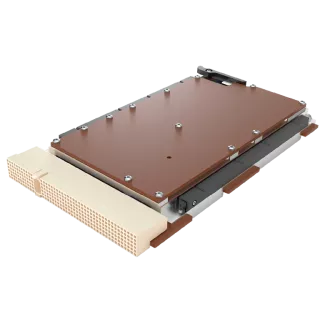
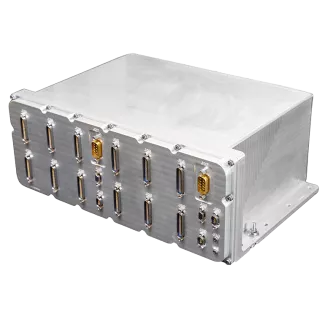
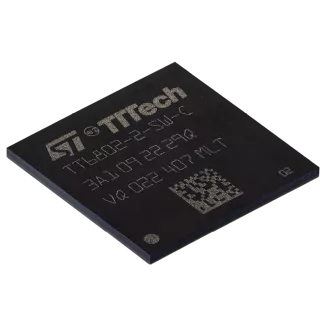
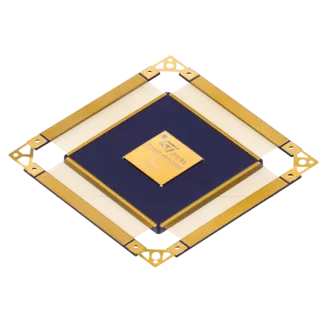
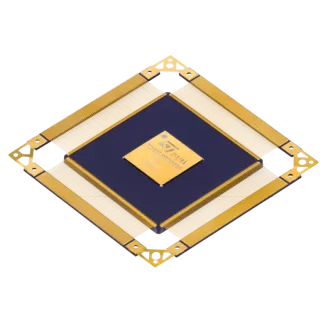

Benefits
TTTECH supports the reduction of size, weight, and power (SWaP) and high data throughputs by providing modular, deterministic embedded network and platform solutions. TTTECH Aerospace’s products fulfill very high quality and production standards and are qualifiable for use in extremely harsh environments. The product portfolio ranges from ASICs, switch and end system hardware to networking and computing platforms with embedded software and also includes software tools, testing and lab equipment. Off-the-shelf products are available to support a wide variety of applications in human space flight (HSF) - from spacecraft to space stations/habitats and human landing systems.
TTEthernet® is a scalable, standards-based technology that delivers deterministic real-time communication and enables the transmission of safety-critical messages as well as standard communication data on one data network. It is used as the communication backbone in NASA Artemis. TTEthernet serves as the ‘central nervous system’ in the NASA Orion spacecraft and in several modules of the currently paused NASA’s Gateway. It can be seamlessly combined with regular Ethernet and Time-Sensitive Networking (TSN).
TTTECH Aerospace’s solutions for lunar exploration offer:
- Reliable, pre-qualified system solutions: mission-proven components, software and tooling, as well as complete networked computing software and hardware platforms based on Deterministic Ethernet for rapid deployment
- Modularity and flexibility: deterministic network solutions and components enable scalable and modular system architectures
- Safe, reliable systems: up to dual fault tolerance and fault containment implemented in hardware increase functional safety and system availability
- Mixed-criticality architectures simplify software and avionics and reduce system lifecycle costs: use of a single network for command and control, as well as payload data
- Easier integration and reconfiguration: time synchronization implemented in hardware saves costs for dedicated software and network integration
- Use of open, Ethernet-based, international standards: TTTECH Aerospace leverages synergies from many years of cross-industry experience from the aerospace, automotive, and industrial automation sectors in developing new solutions for the space exploration
Qualification
Products and components used in space projects need to comply with all standards required for the project or application and are qualified for use in the harsh environment of space, which includes wide temperature ranges and radiation. All products listed above comply with the open international space industry standards, the International Avionics System Interoperability Standards (IASIS), and the ECSS-E-ST-50-16C standard for Time-Triggered Ethernet (European space engineering standard).